What Should Every Sarasota Homeowner Do Before Hurricane Season?
Atlantic hurricane season begins June 1. Every Sarasota homeowner should locate their main water shutoff valve, test their backflow preventer, inspect exposed outdoor pipes for corrosion, and confirm their water heater's pressure relief valve is functional. These four steps alone prevent the most common and most expensive post-storm plumbing failures in Sarasota and Manatee Counties. There is no more time to wait.
Why Hurricane Season Is the Highest-Risk Period for Sarasota Plumbing
Southwest Florida's hurricane season runs from June 1 through November 30, with the statistical peak between mid-August and mid-October. Sarasota County sits in a high-risk storm surge zone: during Hurricane Ian in 2022, parts of Sarasota and Venice experienced surge flooding that pushed contaminated water backward through residential drain lines, causing sewage backups in homes that had sustained no direct wind damage at all.
The combination of storm surge, heavy rainfall (Sarasota averages 53 inches of rain annually, with nearly half falling between June and September), and the region's aging housing stock - much of which was built in the 1960s through 1980s with galvanized steel or early copper supply lines - creates a compounding risk that most homeowners underestimate until after the storm.
Pro-Plumbing Works, LLC, a licensed and insured plumbing contractor serving Sarasota and Manatee Counties (FL CFC1428540), responds to more emergency plumbing calls in the 72 hours following a named storm than in any other comparable period of the year. The majority of those calls are preventable.
What Is the 7-Point Hurricane Plumbing Checklist?
The following checklist is designed for Sarasota-area homeowners to complete in a single afternoon, ideally with a licensed plumber present for items 3, 5, and 7.
1. Locate and Test Your Main Water Shutoff Valve
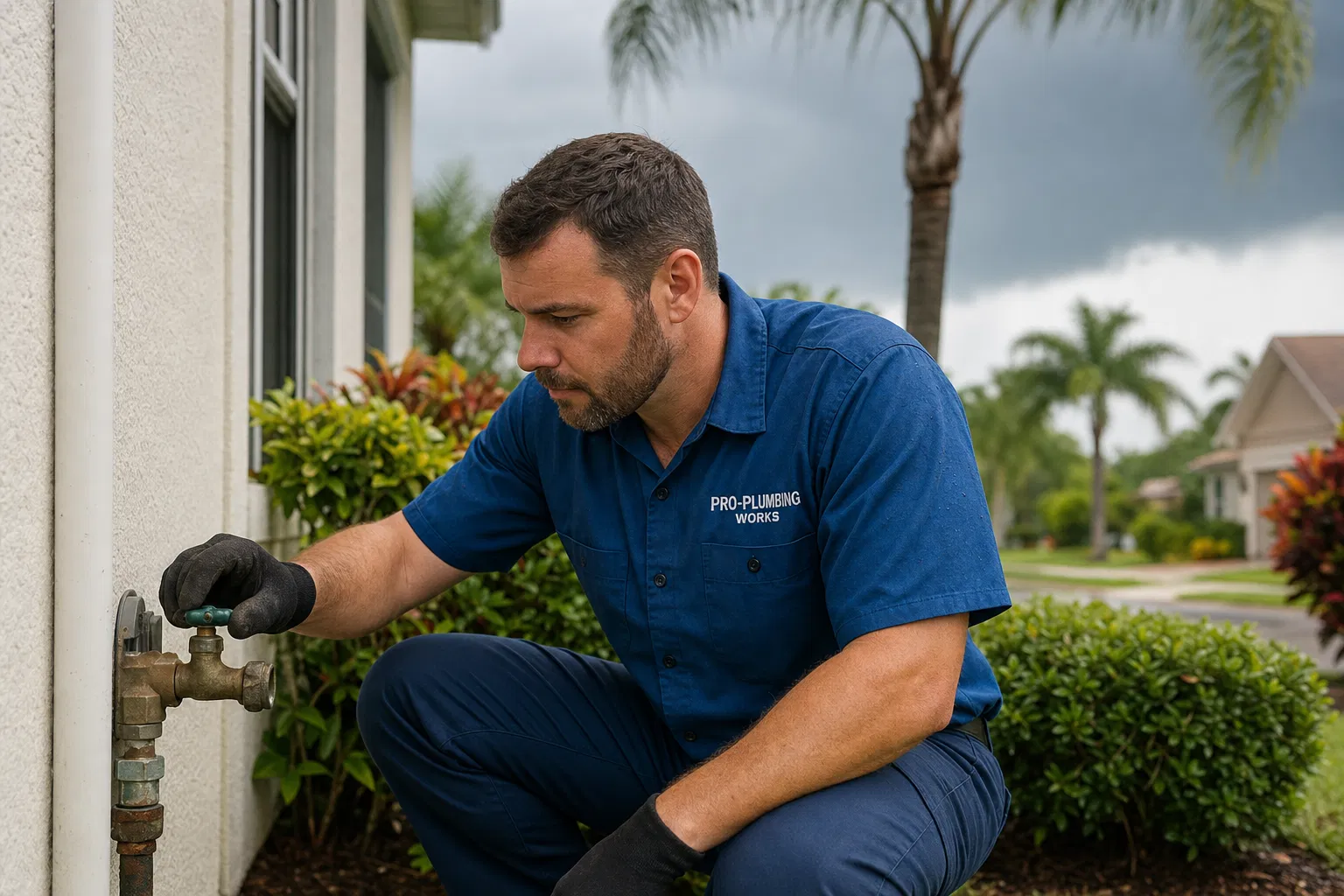
Your main shutoff valve can be in several locations - near the water meter at the street, inside the home near the water heater or utility room, or outside the home on the side of the garage or along an exterior wall. Turn it fully clockwise to confirm it closes completely. A valve that has not been operated in several years may be corroded or stuck - a common finding in Sarasota homes built before 1990. If the valve does not close fully, replace it now.
Why it matters: If a pipe bursts during or after a storm, a functioning shutoff valve is the difference between a minor repair and a flooded home.
2. Inspect All Outdoor Hose Bibs and Exposed Pipes
Sarasota's salt air accelerates corrosion on outdoor copper and brass fittings. Walk the perimeter of your home and look for green oxidation, white mineral deposits, or visible pitting on any exposed pipe or fitting. Pay particular attention to irrigation system connections and pool equipment lines, which are frequently overlooked. If you find anything suspicious, schedule a leak detection inspection before the season begins.
3. Test Your Backflow Preventer
Homes connected to Sarasota County Utilities or the City of Sarasota water system are required to have a backflow prevention device on the main supply line. During storm surge events, municipal water pressure can drop dramatically, creating a siphon effect that pulls contaminated floodwater backward into your home's supply lines. A properly functioning backflow preventer stops this. Annual testing by a licensed plumber is required by Florida law for most commercial properties and strongly recommended for residential properties in flood zones.
During Hurricane Ian in 2022, parts of Sarasota and Venice experienced storm surge flooding that pushed contaminated water backward through residential drain lines, causing sewage backups in homes that had no direct wind damage at all.
4. Check Accessible Drain Connections and Cleanouts
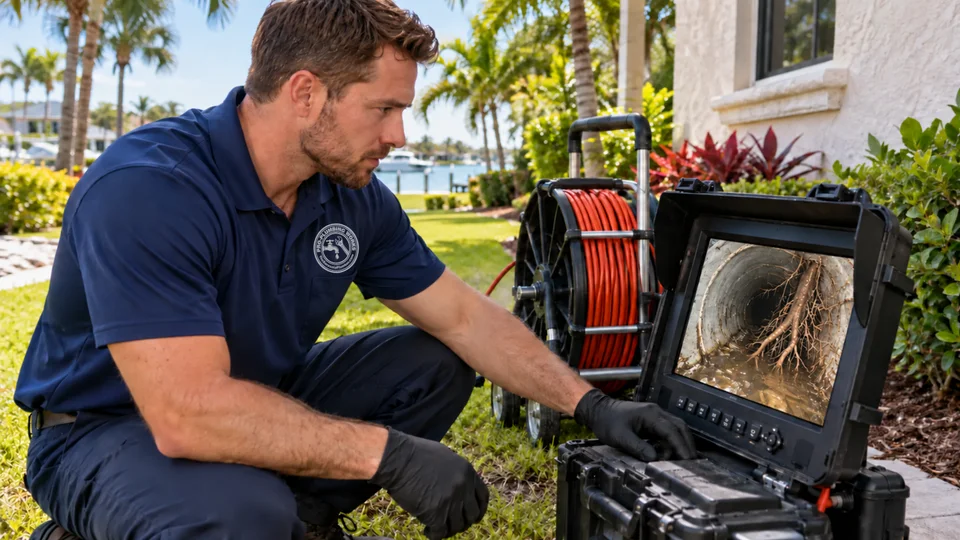
Check accessible drain connections and cleanouts in utility areas for visible leaks, damage or blockages. Keep cleanout caps secured. Have a plumber assess unusual odors or backups.
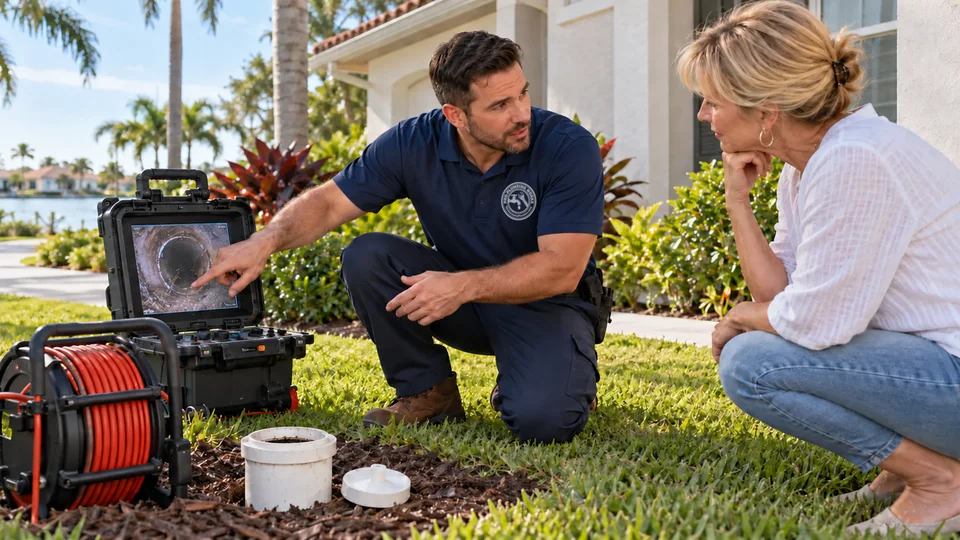
If you have an exterior cleanout - a capped pipe typically located in your yard near the house - confirm the cap is tightly sealed. A missing or damaged cleanout cap can allow floodwater and debris to enter the sewer system and may increase the risk of sewer backups during heavy rain events.
5. Inspect Your Water Heater
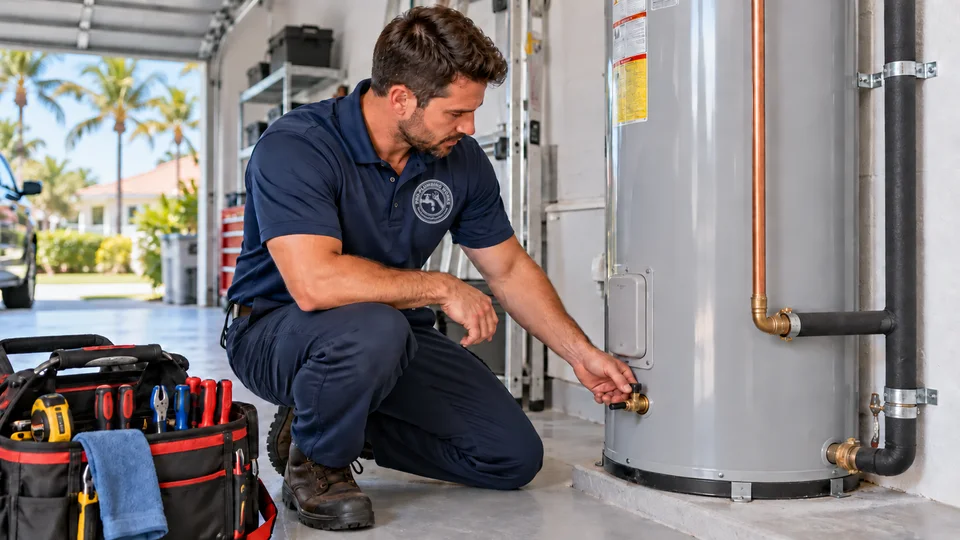
Water heaters in Sarasota homes face two hurricane-related risks: physical damage from flooding (any water heater that has been submerged must be replaced, not repaired) and pressure buildup from thermal expansion when the main supply is shut off during a storm. Confirm that your temperature and pressure (T&P) relief valve is not corroded and opens freely. If the valve is corroded or has not been tested in more than two years, schedule a water heater repair visit before the season peaks. Water heaters in garages or ground-floor utility rooms in flood-prone areas should be elevated on a platform at least 12 inches above the base flood elevation for your zone.
Sarasota's summer heat and hard water also accelerate water heater wear year-round, not just during storms. For a full breakdown of warning signs and maintenance steps specific to this climate, see our guide to Summer Water Heater Problems in Sarasota.
6. Know Your Sewer Cleanout Location
If your neighborhood experiences a sewer system backup during heavy rainfall - a documented occurrence in several Sarasota County neighborhoods during tropical events - knowing the location of your main sewer cleanout allows a plumber to install a temporary backflow plug quickly. The cleanout is typically a 4-inch capped pipe located in your yard, often near the front of the house toward the street.
7. Schedule a Pre-Season Plumbing Inspection
A licensed plumber can complete a full visual and pressure inspection of your supply lines, drain system, water heater, and shutoff valves in approximately 90 minutes. With hurricane season here, now is the time to act. Call Pro-Plumbing Works to schedule your pre-season inspection in Sarasota or Manatee County - free estimates available. Call 941-894-1127 to schedule today.
Pro Tip: Complete the 7-step checklist now, before a storm is named. Once a storm enters the Gulf, licensed plumbers are fully booked within hours. Scheduling a pre-season plumbing inspection today takes 90 minutes and can prevent thousands of dollars in post-storm emergency repairs.
Should You Shut Off Your Water Before a Hurricane?
If you plan to evacuate before a hurricane, consider turning off your home's main water supply. This can help prevent extensive water damage if a pipe breaks while you're away. Locate your main shutoff valve before storm season so you're familiar with its operation.
Homeowners who remain in their homes during the storm typically leave the water supply on so they can continue using sinks, toilets, and stored water supplies as long as municipal service remains available.
If your home has a tankless water heater and you shut off the water supply for an extended period, follow the manufacturer's recommendations regarding electrical or gas service to the unit.
Should I Drain My Pipes Before Evacuating?
If you are evacuating ahead of a major hurricane, draining your pipes is optional but recommended for homes in flood zones A or AE on the FEMA flood map. To drain: shut off the main water supply, open the lowest faucet in the home (typically a hose bib or utility sink), and flush toilets once to clear the tank. This reduces the volume of water that can cause damage if a pipe is compromised during the storm. Do not drain the traps under sinks and toilets - these water seals prevent sewer gas from entering the home while it is unoccupied.
What Plumbing Damage Is Most Common After a Sarasota Hurricane?
Based on emergency service calls following named storms in Sarasota and Manatee Counties, the five most common post-hurricane plumbing issues are sewer backups and drain system blockages, flood-damaged water heater replacement, water line leaks and burst pipe repairs, damaged sewer cleanout or drain components, and well system, irrigation, or outdoor plumbing damage. Call Pro-Plumbing Works at 941-894-1127 for current pricing and a free estimate on post-storm repairs - we offer flat-rate pricing with no surprise bills.
For homes in coastal Sarasota neighborhoods, storm surge poses an additional risk beyond wind and rain damage. After a storm, read our guide on storm surge plumbing damage in Sarasota to understand what to inspect and when to call a licensed plumber.
Key Takeaways
- Hurricane season begins June 1. Complete the 7-point plumbing checklist now, not later.
- The most preventable post-storm plumbing failures are sewer backflow, water heater flood damage, and burst supply lines - all addressable with pre-season preparation.
- Know the location of your main water shutoff valve and your sewer cleanout before a storm threatens.
- Florida law requires backflow preventer testing by a licensed plumber; Sarasota homes in flood zones should prioritize this annually.
- Pro-Plumbing Works offers free estimates on pre-season plumbing inspections for Sarasota and Manatee County homeowners - call 941-894-1127.
Frequently Asked Questions About Hurricane Plumbing Preparation
Does homeowner's insurance cover hurricane plumbing damage in Florida?
Standard Florida homeowner's insurance policies (HO-3) typically cover sudden and accidental water damage from a burst pipe but exclude flood damage, which requires a separate National Flood Insurance Program (NFIP) policy or private flood insurance. Sewer backup coverage is an optional endorsement that many Sarasota homeowners do not carry - review your policy now that the season has arrived.
How long does a pre-hurricane plumbing inspection take?
A thorough pre-season plumbing inspection by a licensed plumber typically takes 60 to 90 minutes for a single-family home. Pro-Plumbing Works provides written documentation of all findings, which can be useful for insurance purposes.
Can I install a sewer backflow preventer myself?
No. Florida Statute 489.105 requires that any work on a building's main drain or sewer line be performed by a licensed plumbing contractor. Improper installation of a backflow preventer can void your homeowner's insurance and create a health hazard. Pro-Plumbing Works installs sewer backflow preventers throughout Sarasota and Manatee Counties.
What should I do if my pipes were flooded after a storm?
Do not use any plumbing fixtures until a licensed plumber has inspected the system. Floodwater in supply lines can contain bacteria, chemicals, and sewage. The water supply should remain off until the system is flushed and tested. Call Pro-Plumbing Works at 941-894-1127 for emergency post-storm service.
Is a tankless water heater safer during hurricane season?
Tankless water heaters mounted on interior walls above flood level are generally less vulnerable to flood damage than traditional tank-style units installed on garage floors. However, any gas-fired appliance - tankless or tank - must be shut off before a storm and inspected by a licensed plumber before being restarted after flooding.
Pro-Plumbing Works, LLC is a licensed and insured plumbing contractor serving Sarasota, Venice, Bradenton, North Port, and surrounding Sarasota and Manatee County communities. FL License CFC1428540. Call 941-894-1127 or visit thesarasotaplumber.com.